

Perfume Scent Matching Service for Women & Men
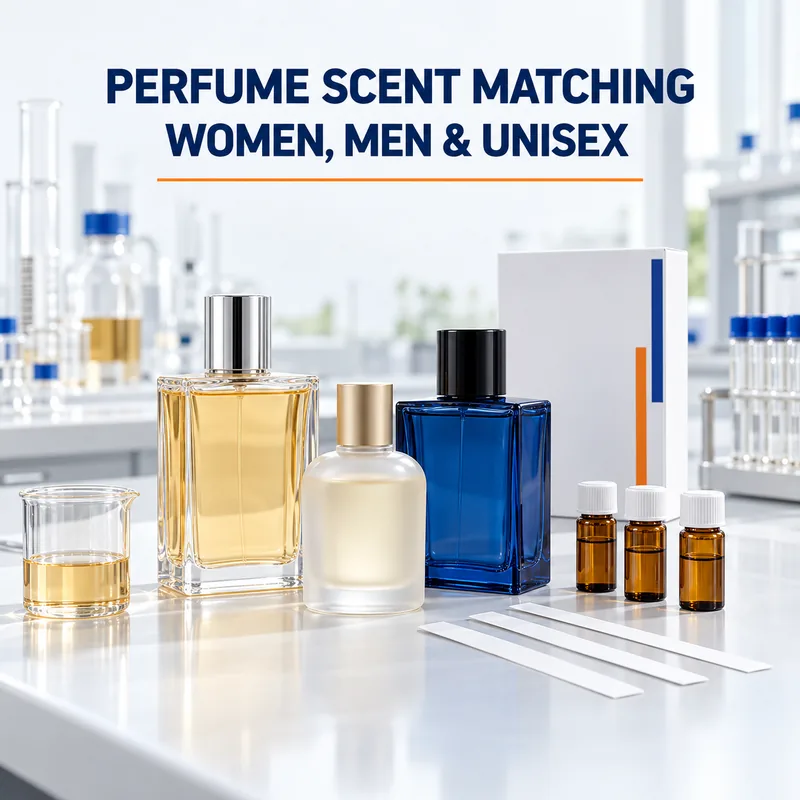
Develop a perfume fragrance using a reference sample or a custom scent brief. Our perfume scent matching service supports women’s, men’s and unisex fragrance projects, with sample development, evaluation and bulk supply after approval.
Whether you want to match a familiar scent profile, develop a signature fragrance or find an alternative to your existing concentrate, share your reference, intended application and target budget.

Reference-Based Perfume Development & Bulk Fragrance Supply
Develop a fragrance direction that fits your brand, customers and product concept.
Formulation Market provides perfume scent matching for women’s, men’s and unisex fragrance projects. We work from a physical reference, an existing fragrance concentrate or a written brief to establish the target scent profile.
Your project may involve matching the character of a selected perfume, developing an alternative fragrance supply or creating a signature scent with specific adjustments.
The process moves from reference review and sample development to evaluation, approval and bulk fragrance supply.
Formulation Market is a brand of Star Kimya. Our service connects fragrance development with practical formulation, documentation and production considerations.
What Is Perfume Scent Matching?
Perfume scent matching is the development of a fragrance against an agreed olfactory reference.
The reference can be:
- A finished perfume.
- A fragrance concentrate.
- A perfume oil sample.
- An existing fragrance used by your business.
- Several references illustrating different characteristics.
- A written brief describing the desired scent direction.
We review the reference together with the intended product format, target cost and evaluation requirements.
The aim is to achieve an agreed scent profile through sample comparison. An olfactory match does not establish an identical chemical composition or access to the original manufacturer’s formula.
Fragrance Projects We Can Support
Women’s Perfume Development
Develop fragrances around your preferred character, intensity and brand positioning.
Possible directions include:
- Floral Perfume
- Fruity Floral Perfume
- Soft Musk Perfume
- Powdery Perfume
- Vanilla & Gourmand Perfume
- Amber Floral Perfume
- Fresh Citrus Perfume
- Woody Floral Perfume
The brief can define whether the fragrance should feel fresh, soft, rich, warm, elegant or expressive.
You can also identify the characteristics you want to retain from a reference and those you want to adjust.
Men’s Perfume Development
Develop fragrance profiles for everyday wear, premium collections or a distinct brand concept.
Possible directions include:
- Woody Perfume
- Aromatic Perfume
- Fresh Citrus Perfume
- Aquatic Perfume
- Amber Woody Perfume
- Spicy Perfume
- Fougère-Style Perfume
- Leather-Style Perfume
Development considers the opening impression, the way the scent evolves and the intended dry-down.
A reference sample helps establish more precise targets than a fragrance family description alone.
Unisex Fragrance Development
Create fragrances positioned around a shared scent experience.
Possible directions include:
- Citrus & Musk Perfume
- Woody Amber Perfume
- Tea-Inspired Fragrance
- Green Aromatic Perfume
- Spicy Woody Perfume
- Gourmand Fragrance
- Resinous Amber Fragrance
- Minimalist Clean Scent
The project can focus on a single signature scent or a coordinated collection with a recognizable brand character.
Signature Scent Development
Develop a fragrance from a brief that describes your brand’s intended identity.
Your brief can include:
- Preferred fragrance families.
- Selected notes or impressions.
- Desired intensity.
- Intended customer and price position.
- Seasonal or occasion-based positioning.
- Reference products.
- Characteristics to avoid.
- Target fragrance cost.
Several references can help explain a concept, such as the freshness of one scent combined with the warmth or softness of another.
The final direction is established through the agreed development and evaluation process.
Product Formats & Intended Applications
The intended application should be identified before development begins.
Projects can be assessed for:
- Eau de Parfum.
- Eau de Toilette.
- Extrait-style perfume concepts.
- Oil-based perfume.
- Roll-on perfume.
- Body mist.
- Hair fragrance.
- Selected fragranced personal care products.
Each application has its own formulation, compatibility and documentation requirements.
A fragrance approved for one format should be reviewed before use in another. Adaptation to additional applications can be included in the quotation.
Evaluating the Complete Scent Experience
Perfume evaluation should consider how the fragrance develops over time.
The agreed comparison can cover:
Opening Impression
The initial character after application, including freshness, brightness, sweetness and the impact of the opening notes.
Fragrance Development
How the scent changes after the opening, including the balance between floral, aromatic, fruity, spicy or other selected characteristics.
Dry-Down
The later fragrance impression, including woody, musky, amber, powdery or other lasting elements.
Intensity & Diffusion
How strong the fragrance feels under the agreed evaluation conditions and how it is perceived at different stages.
Persistence
How the scent remains detectable over defined observation periods.
Evaluation conditions should be consistent so that the reference and development samples can be compared meaningfully.
Fragrance Matching & Performance Targets
Tell us which characteristics matter most to your project.
Your targets may include:
- Similarity to a reference scent.
- A softer or stronger opening.
- Reduced sweetness.
- A fresher or warmer character.
- A different balance of woody or musky notes.
- A more suitable dry-down.
- Performance in a selected perfume base.
- A target fragrance cost.
- Defined persistence goals.
Scent similarity, intensity and longevity are evaluated separately.
A stronger fragrance concentrate or a higher dosage does not automatically achieve every desired performance target. The complete perfume formulation and evaluation conditions need to be considered.
Specific longevity claims require suitable supporting evaluation.
Our Perfume Scent Matching Process
1. Share Your Reference & Project Brief
Complete the Request a Quote form with the fragrance you want to develop, intended format and target market.
Tell us whether you can provide a finished perfume, fragrance concentrate or another physical reference.
2. Confirm the Scope & Sample Requirements
We review the brief and confirm the development target, fee, sample requirements and estimated schedule.
An NDA can be arranged before confidential information is shared.
Please confirm the required sample quantity and shipping instructions before dispatch.
3. Develop the Initial Sample
After the required reference and information arrive, the initial development stage typically takes approximately 2–3 weeks, subject to the confirmed brief.
A development sample is prepared for evaluation.
4. Compare & Provide Feedback
Evaluate the sample against the reference using the agreed method.
Useful feedback identifies specific differences in the opening, fragrance development, dry-down or intensity.
Where relevant, evaluation also considers the intended perfume base and use concentration.
5. Review & Approve
Feedback is used for the revision rounds included in the quotation.
Once the sample meets the agreed requirements, confirm the approved fragrance reference and intended application.
6. Arrange Bulk Supply
The approved sample becomes the reference for the bulk supply quotation.
Order quantities, packaging, documentation and lead time are confirmed before production or dispatch.
Bulk Perfume Fragrance Supply
Following sample approval, we can supply the selected fragrance concentrate for your production requirements.
Bulk orders generally start from 20 kg per approved fragrance. Final minimum quantities and supply terms are confirmed in the quotation.
Your supply brief can include:
- Approved fragrance reference code.
- Intended product format.
- Proposed use concentration.
- Required quantity.
- Target market.
- Packaging requirements.
- Documentation requirements.
- Expected repeat-order frequency.
Fragrance concentrates are supplied for the agreed formulation purpose. The requirements for preparing and assessing the finished perfume are defined separately.
Development charges and bulk fragrance pricing are quoted separately.
Fragrance Cost & Commercial Positioning
A fragrance should fit both the intended scent experience and the commercial brief.
We can assess development against a defined target cost, taking account of the reference, ingredient requirements and order quantity.
The review can consider:
- Fragrance concentrate cost per kilogram.
- Intended use level.
- Fragrance contribution to finished-product cost.
- Alternative scent directions.
- Characteristics that must be retained.
- Acceptable adjustments to meet the budget.
If the reference and target budget are difficult to reconcile, alternative development directions can be discussed during the project.
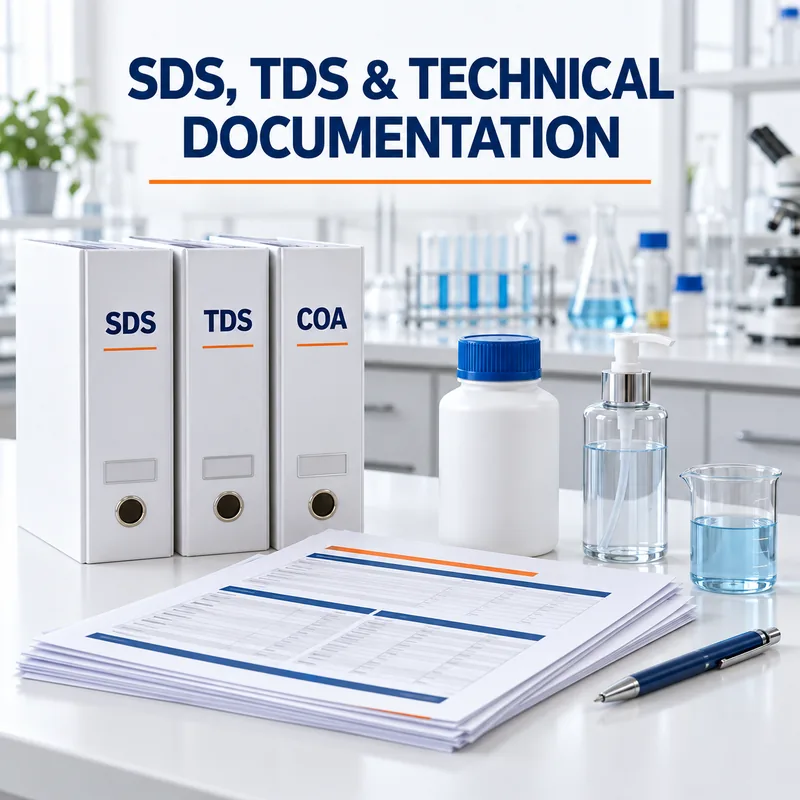
Technical Documentation
Depending on the approved fragrance and agreed scope, documentation can include:
- Fragrance Safety Data Sheet — SDS.
- Technical specification or TDS.
- Batch COA or agreed quality documentation.
- Relevant allergen information.
- Supplier-issued IFRA conformity documentation for the specified use.
- Storage and handling recommendations.
The intended application and use concentration must be identified when reviewing fragrance documentation.
The finished perfume also requires assessment and documentation based on its complete composition and target market. Fragrance supply documentation forms part of that process.
What You Receive
Your quotation defines the deliverables. A perfume matching project can include:
- Review of the supplied reference.
- Definition of the target scent direction.
- Development sample for evaluation.
- Feedback review.
- Revision rounds as quoted.
- Application guidance within the agreed scope.
- Approved fragrance reference code.
- Bulk supply quotation.
- Agreed technical documentation.
Additional analytical work, finished-perfume formulation, extended testing, packaging evaluation and further applications can be quoted where required.
Existing Fragrance Replacement
If you already purchase a fragrance but need a supply alternative, share your current reference and requirements.
Useful information includes:
- A sample of the existing concentrate.
- Available supplier specifications.
- Intended perfume format.
- Normal use concentration.
- Characteristics that must be retained.
- Current technical issues.
- Target cost.
- Expected purchasing quantities.
The proposed alternative should be evaluated in the finished perfume before commercial introduction.
Private Label Fragrance Project Support
Perfume scent matching can form part of a wider brand development project.
Depending on the agreed scope, additional support can include:
- Fragrance collection planning.
- Finished-perfume formulation development.
- Bottle and closure sourcing.
- Packaging selection.
- Label and carton design coordination.
- Technical documentation support.
- Assessment of suitable manufacturing and filling options.
Manufacturing feasibility, packaging availability, minimum quantities and production requirements are reviewed for the individual project.
Confidentiality, Ownership & Exclusivity
Confidential project information can be reviewed under an NDA.
Before work begins, the agreement defines whether the project covers fragrance development and supply, formula documentation or additional ownership and exclusivity arrangements.
These terms are confirmed separately so that the project structure matches your business requirements.
Frequently Asked Questions
Can you develop a fragrance using my perfume sample?
Yes. A physical perfume sample can provide the reference for a scent matching project. The quotation defines the development target and evaluation process.
Do you work on women’s, men’s and unisex fragrances?
Yes. The brief can cover any of these positions, with the desired scent character defined through references and project requirements.
Can you guarantee an exact match?
A fixed similarity percentage or chemically identical formula cannot be promised before development. The result is reviewed through the agreed sample evaluation process.
Can you adjust a reference scent?
Yes. You can request changes such as a fresher opening, reduced sweetness or a different woody or musky balance. Feasibility is reviewed against the brief and budget.
Can you develop a completely new signature scent?
Yes. A written brief and selected references can guide a custom development project.
How long does the initial matching stage take?
The initial stage typically takes approximately 2–3 weeks after receipt of the required samples and information. Revisions and additional evaluation may extend the schedule.
What is the minimum bulk order?
Bulk supply generally starts from 20 kg per approved fragrance. Final quantities and commercial terms are confirmed in the quotation.
Can I use the fragrance with my own manufacturer?
Yes. The approved fragrance can be supplied for use by your own facility or selected manufacturer, subject to the agreed terms and intended application.
Is the perfume formula included?
The quotation identifies whether the service covers fragrance development and supply, finished-perfume formulation or formula documentation. Ownership and usage rights are agreed before work begins.
Can the same fragrance be used in a body mist or hair fragrance?
This can be assessed as an additional application. The formulation, use level and documentation requirements need to be reviewed for each format.
How much does perfume scent matching cost?
Pricing depends on the reference, number of fragrances, development work, evaluation requirements and deliverables. Bulk pricing also depends on the approved composition and order quantity.
Request a Quote for Your Perfume Project
Whether you have a reference perfume or an idea for a new fragrance collection, we can help define the development work required.
Tell us your intended product format, target scent profile, budget and expected fragrance quantities.
Have a fragrance direction in mind but need help describing it? Share your reference samples and the characteristics you want to achieve.
Formulation Market provides custom formulation, technical documentation, fragrance development, and manufacturing support for brands, startups, and established manufacturers. Whether you are developing a new product, improving an existing formula, or preparing for production, our services are tailored to your target market, performance requirements, and budget. Depending on the agreed scope, your project may include formulation files, manufacturing instructions, raw material recommendations, technical documents, cost analysis, and packaging support. Deliverables, development timelines, testing requirements, and commercial terms are confirmed in your quotation. Confidentiality arrangements and an NDA are available upon request. To get started, click “Request a Quote” and tell us about your project.