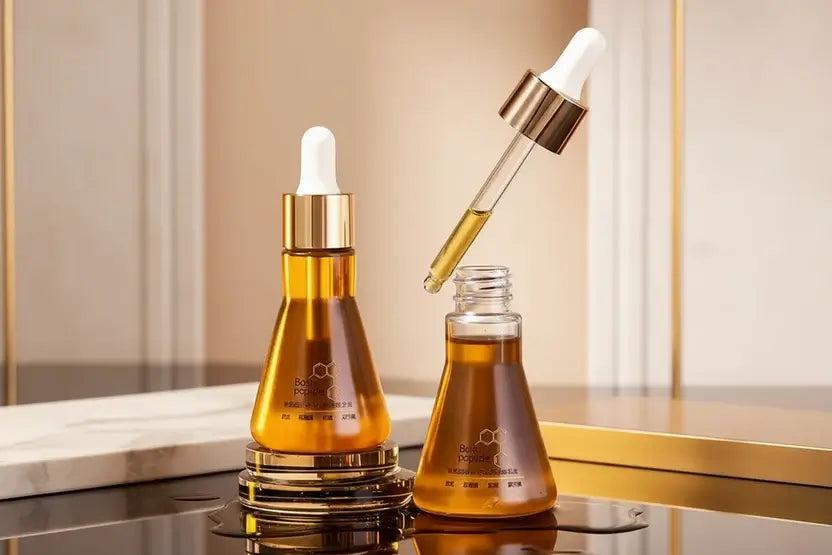

PDRN Repair Serum is an emerging skincare product category attracting attention in the premium cosmetics industry. As interest grows in advanced skin-conditioning ingredients, barrier-supporting products, and biotechnology-inspired skincare, PDRN has become an increasingly discussed ingredient in cosmetic product development.
Originally associated with medical and dermatological research, polydeoxyribonucleotide (PDRN) is now appearing in cosmetic skincare concepts designed to improve the appearance of tired, dry, and environmentally stressed skin. Its association with skin repair research has made it particularly interesting to beauty brands developing premium facial serums.
However, the scientific evidence supporting medical applications of PDRN should not automatically be applied to topical cosmetic products. Ingredient source, molecular characteristics, delivery systems, and product testing all influence the claims that can reasonably be made.
In this guide, we explore what PDRN Repair Serum is, its potential cosmetic benefits, ingredient technology, skin compatibility, product positioning, and custom cosmetic formulation development opportunities.
What Is PDRN Repair Serum?


PDRN Repair Serum is a cosmetic skincare product formulated around polydeoxyribonucleotide-derived ingredients. PDRN consists of DNA fragments that may be obtained from biological sources, including certain fish-derived materials, or produced through alternative manufacturing technologies.
In medical research, PDRN has been investigated for biological activities associated with tissue repair and inflammatory responses. These studies have contributed to interest in its potential use in cosmetic skincare.
In topical cosmetic products, PDRN is generally positioned as an advanced skin-conditioning ingredient. The intended product experience often focuses on hydration, skin comfort, and improvement in the appearance of stressed or uneven-looking skin.
Unlike conventional moisturizing serums, PDRN-based products are commonly marketed within the premium skincare segment, where ingredient innovation and scientific positioning are important factors in consumer purchasing decisions.
The effectiveness of a finished serum depends on its complete composition and the availability of relevant testing data, rather than the presence of PDRN alone.
How Does PDRN Work in Skincare?
Polydeoxyribonucleotide has been studied for potential biological effects involving cellular signaling and tissue recovery. Some experimental and clinical research has explored its relationship with adenosine A2A receptor pathways and processes associated with tissue repair.
However, most evidence from medical applications does not establish that PDRN produces the same effects when applied topically in an ordinary cosmetic serum.
The skin’s outermost layer, the stratum corneum, creates a significant barrier to the penetration of many substances. The molecular size and properties of PDRN-derived materials can therefore influence their behavior in cosmetic applications.
When developing a PDRN skincare product, manufacturers should distinguish between three important concepts:
-
Ingredient research: Scientific studies investigating the biological activity of PDRN.
-
Topical cosmetic performance: Benefits demonstrated when PDRN-containing products are applied to intact skin.
-
Finished product claims: Statements supported by testing of the actual cosmetic formulation.
These distinctions are essential for scientifically responsible product development and regulatory compliance.
Potential Benefits of PDRN Repair Serum
PDRN Repair Serum is typically positioned within advanced hydration, skin-conditioning, and rejuvenation-inspired skincare categories.
Although the clinical evidence for topical cosmetic PDRN remains limited compared with established moisturizing ingredients, several product benefits may be relevant when supported by appropriate formulation design and finished-product testing.
1. Skin Hydration and Moisture Retention
Hydration is one of the most important characteristics of a successful facial serum.
PDRN-based serums may incorporate moisturizing technologies that help reduce dryness and improve the appearance of dehydrated skin. These effects may be provided primarily by complementary humectants and other conditioning ingredients rather than PDRN itself.
2. Skin Barrier Support
Skin barrier care is a major focus of modern skincare development.
A well-designed PDRN Repair Serum can be positioned to support skin comfort and maintain the skin’s moisture barrier when its finished formulation has demonstrated suitable performance.
3. Improved Appearance of Tired Skin
Environmental exposure, dryness, and normal aging can affect the appearance of the skin.
Cosmetic serums developed for these concerns may help improve skin smoothness and radiance through hydration and skin-conditioning mechanisms.
4. Anti-Aging Skincare Positioning
PDRN is frequently associated with rejuvenation-focused cosmetic marketing.
However, claims involving collagen stimulation, wrinkle reduction, or tissue regeneration require direct scientific substantiation relevant to the finished product and its intended use.
5. Premium Skincare Experience
Beyond measurable cosmetic benefits, product texture, absorption, packaging, and sensory performance influence consumer satisfaction.
A lightweight, non-sticky serum with a refined finish can help create a premium product experience.
PDRN vs Hyaluronic Acid: What Is the Difference?
PDRN and hyaluronic acid are sometimes discussed together, but they represent different ingredient technologies.
Hyaluronic acid is a well-established cosmetic humectant used to support hydration. PDRN is a DNA-fragment-based ingredient associated with a different area of biological research.
| Feature | PDRN | Hyaluronic Acid |
|---|---|---|
| Ingredient type | DNA fragments | Glycosaminoglycan |
| Common cosmetic positioning | Advanced skin conditioning | Hydration and moisturization |
| Evidence for topical cosmetic benefits | Emerging and formulation-dependent | Established for hydration |
| Main development consideration | Source, molecular characteristics, delivery, substantiation | Molecular weight, concentration, stability |
| Product applications | Premium serums and skincare concepts | Serums, creams, masks, lotions |
Combining these technologies may be commercially attractive, but their compatibility and finished-product performance should be evaluated during development.
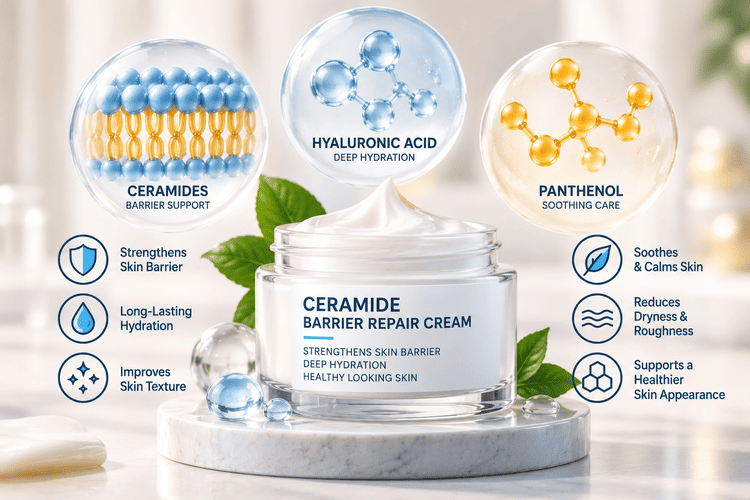
Brands exploring related technologies can also investigate “Multi-Peptide Anti-Aging Serum” and “Ceramide Barrier Repair Cream” as complementary product categories.
PDRN Repair Serum and Korean Skincare Trends


Korean beauty, commonly known as K-beauty, has played an influential role in the international visibility of PDRN-inspired skincare products.
The broader Korean skincare market is recognized for its emphasis on lightweight product textures, layered skincare routines, and frequent ingredient innovation.
PDRN-related skincare concepts fit into this environment because they combine biotechnology-inspired positioning with consumer interest in skin hydration, comfort, and a healthy-looking complexion.
For international cosmetic brands, this creates opportunities to explore:
-
Premium PDRN facial serums
-
PDRN-inspired moisturizing skincare
-
Lightweight daily skin-conditioning treatments
-
Hydrating products for mature-looking skin
-
Advanced skincare collections combining complementary ingredients
Brands should ensure that product descriptions distinguish substantiated cosmetic benefits from medical or therapeutic effects.
Important Ingredients Commonly Associated with PDRN Serums
Although PDRN is the featured ingredient, the performance of a serum depends on its entire ingredient system.
Complementary cosmetic ingredients may include:
Hyaluronic Acid: Supports hydration and contributes to a smooth skin feel.
Niacinamide: A multifunctional skincare ingredient associated with skin-conditioning and improvements in the appearance of uneven skin tone.
Panthenol: Commonly used to support hydration and skin comfort.
Ceramides: Lipid ingredients frequently used in skin barrier-supporting products.
Peptides: A broad ingredient category used in premium anti-aging and skin-conditioning products.
Ectoin: A cosmetic ingredient associated with hydration and protection against certain environmental stressors.
Each ingredient has its own stability, compatibility, and regulatory considerations. Combining multiple active ingredients does not automatically improve performance.
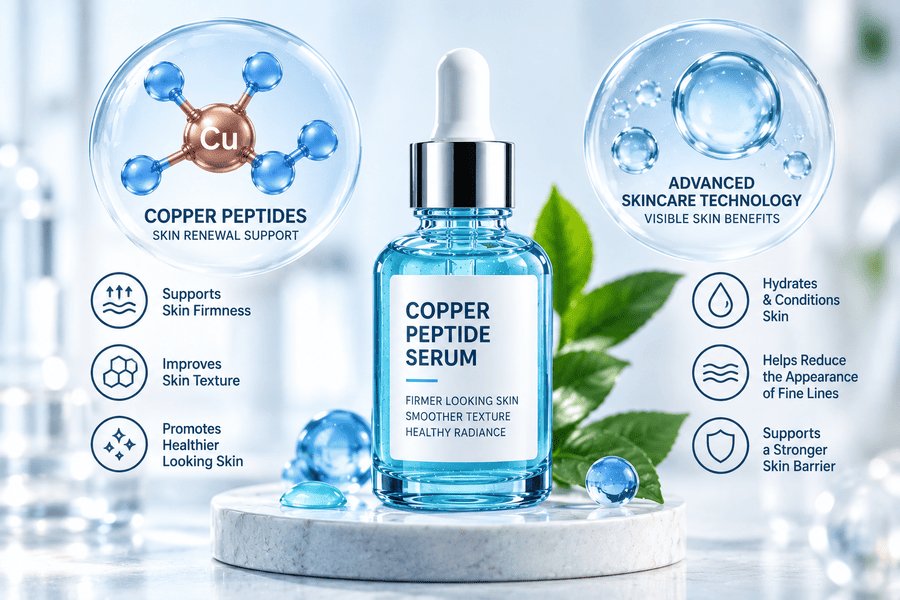
For additional ingredient-focused reading, explore “Niacinamide 10% + Zinc Serum”, “Copper Peptide Serum”, and “Ectoin Skin Protection Cream”.
Is PDRN Repair Serum Suitable for All Skin Types?
A PDRN-containing serum may be designed for different skin types, but suitability depends on the complete formulation.
For dry skin, moisturizing performance and barrier-supporting ingredients are particularly important. For oily or combination skin, a lightweight texture may be preferable.
Sensitive skin requires additional consideration of fragrance, preservatives, and potentially irritating ingredients.
Consumers should also consider the biological origin of PDRN. Some commercially available materials are derived from fish sources, making ingredient traceability important for individuals with relevant allergies or those seeking vegan products.
A serum should not be described as universally suitable for sensitive skin without adequate safety and tolerability testing.
PDRN Repair Serum vs Exosome-Inspired Skincare
PDRN and exosome-related cosmetic concepts are often discussed within the same advanced skincare category, but they are scientifically different.
PDRN consists of DNA fragments, whereas exosomes are a type of extracellular vesicle involved in biological communication.
The technologies differ in composition, manufacturing requirements, characterization, and regulatory considerations.
Both have attracted interest in biotechnology-inspired beauty products, but claims based on medical or laboratory research must not be automatically transferred to ordinary cosmetic products.
For a detailed comparison, explore “Exosome-Inspired Skin Serum”.
Key Challenges in PDRN Cosmetic Product Development
Developing a commercially viable PDRN Repair Serum involves more than selecting a trending ingredient.
One of the first challenges is establishing the identity and quality of the PDRN raw material. Different suppliers may offer materials with different origins, molecular characteristics, purity specifications, and supporting documentation.
Manufacturers should also assess whether the ingredient is suitable for the intended cosmetic application and permitted in the target market.
Important development considerations include:
-
Raw material identity and traceability
-
Supplier quality documentation
-
Ingredient stability and compatibility
-
Microbiological safety and preservation
-
Packaging compatibility
-
Skin tolerability
-
Substantiation of marketing claims
-
Target-market regulatory requirements
The formulation must also maintain acceptable appearance, viscosity, odor, and quality throughout its intended shelf life.
For premium skincare brands, consistency between production batches is particularly important.
Regulatory Considerations for PDRN Cosmetics
The regulatory status of PDRN-containing cosmetic products depends on the target country, ingredient identity, intended use, and product claims.
In the European Union, cosmetic products must comply with Regulation (EC) No 1223/2009 and other applicable requirements.
In the United States, cosmetic products are regulated under the applicable provisions of the Federal Food, Drug, and Cosmetic Act and the Modernization of Cosmetics Regulation Act of 2022 (MoCRA). Products making drug-related claims may be subject to different regulatory requirements.
Terms such as tissue regeneration, wound healing, or medical skin repair can raise regulatory concerns when used to market ordinary cosmetic products.
A responsible cosmetic development process should include a review of ingredient suitability, safety documentation, and proposed claims before commercialization.
Custom PDRN Repair Serum Formulation Development
Developing an exclusive PDRN Repair Serum allows cosmetic brands to define their own product positioning, ingredient preferences, texture, and performance objectives.
Some brands may prefer a lightweight daily serum, while others may seek a richer, premium skincare experience.
The appropriate development strategy depends on the intended consumer, target market, ingredient availability, and regulatory requirements.
At FormulationMarket, we provide custom cosmetic formulation development services for businesses seeking exclusive personal care product concepts.
Our technical development approach focuses on ingredient selection, product specifications, compatibility, stability considerations, and manufacturing documentation.
A custom cosmetic formulation project can include technical formulation records, raw material specifications, manufacturing procedures, quality-control recommendations, and relevant supporting documentation according to the agreed project scope.
FormulationMarket focuses on formulation research and development; commercial cosmetic manufacturing can be arranged independently by the client with a qualified production partner.
Frequently Asked Questions About PDRN Repair Serum
What does PDRN stand for?
PDRN stands for polydeoxyribonucleotide, a material consisting of DNA fragments that has been investigated in various areas of biomedical research.
Is PDRN the same as salmon DNA?
Not exactly. Some PDRN materials are obtained from salmon or other fish-derived sources, but the term describes a class of DNA-fragment materials rather than a single source.
Can PDRN Repair Serum replace a moisturizer?
A PDRN serum may provide hydration, depending on its formulation, but it does not necessarily replace a moisturizer. Product suitability depends on skin needs and the complete skincare routine.
Is PDRN suitable for sensitive skin?
Suitability depends on the finished formulation and its safety evaluation. The presence of PDRN alone does not establish that a product is suitable for sensitive skin.
Is PDRN a vegan cosmetic ingredient?
Fish-derived PDRN is not vegan. Alternative-source materials may exist, but their origin and vegan status must be verified through supplier documentation.
Can cosmetic brands develop exclusive PDRN serums?
Yes, subject to ingredient availability, feasibility, safety, and regulatory review. Brands can commission custom formulation development based on their desired product characteristics.
Conclusion
PDRN Repair Serum represents an interesting direction in biotechnology-inspired cosmetic skincare development.
Its growing visibility reflects consumer interest in advanced ingredients, premium skincare experiences, and products positioned around hydration and skin conditioning.
However, the success of a PDRN-based cosmetic product depends on scientifically responsible formulation development, appropriate ingredient sourcing, finished-product testing, and compliant marketing claims.
For beauty brands planning to enter this category, custom PDRN serum formulation development offers an opportunity to create differentiated products while maintaining control over product specifications and technical quality.