
The cosmetic industry in 2026 is increasingly focused on advanced skincare ingredients, multifunctional formulations, skin barrier protection, scalp health, and scientifically supported product performance. From peptide-based facial serums to innovative hair repair treatments, cosmetic brands are exploring new technologies to develop products that meet changing consumer expectations.
For cosmetic manufacturers, independent beauty brands, and formulation developers, understanding these emerging product categories is essential for building competitive product portfolios. Modern consumers are looking beyond traditional moisturizers and shampoos, showing greater interest in targeted solutions supported by ingredient research, improved delivery systems, and measurable product benefits.
This guide explores 46 trending cosmetic products in 2026, covering skincare, facial serums, moisturizers, cleansers, hair care, and body care. Each product represents a potential opportunity for custom cosmetic formulation development, private label brands, and businesses planning to introduce innovative beauty products.
1. Trending Facial Serum Formulations in 2026


Facial serums remain an important category in the global skincare industry. Their popularity is supported by concentrated ingredient positioning, lightweight textures, and targeted applications. In 2026, interest extends beyond conventional hydration toward skin barrier support, uneven skin tone, visible signs of aging, and advanced ingredient delivery systems.
For formulators, serum development requires careful consideration of ingredient solubility, pH compatibility, preservation, viscosity, and packaging. Different active ingredients may require entirely different formulation architectures.
Popular facial serum products
– “PDRN Repair Serum” – A skincare concept based on polydeoxyribonucleotide ingredients, attracting interest in skin-conditioning and rejuvenation-oriented product development. Ingredient origin, purity, regulatory status, and substantiation of claims require careful evaluation.
– “Exosome-Inspired Skin Serum” – An emerging cosmetic concept associated with extracellular vesicle research and advanced skin-conditioning technologies. Products marketed with exosome-related claims require particular attention to ingredient identity, safety, and regulatory acceptability.
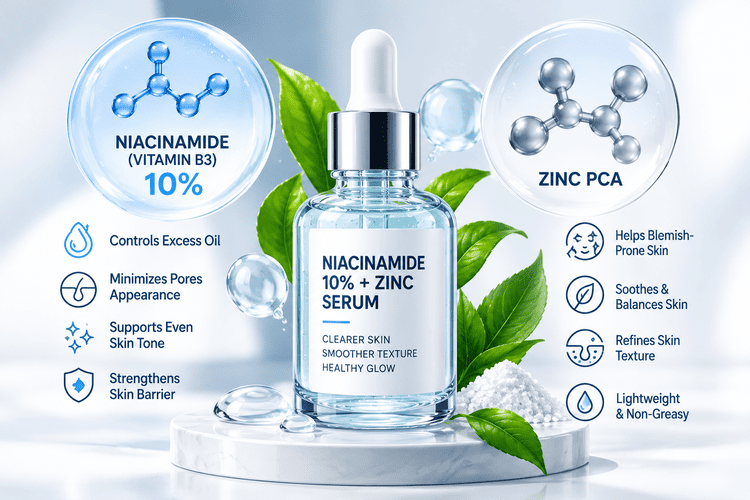
– “Niacinamide 10% + Zinc Serum” – A facial serum combining niacinamide with a suitable zinc ingredient, commonly positioned for oily skin, uneven appearance, and visible pore concerns. The selected zinc compound and its concentration influence formulation compatibility.
– “Multi-Peptide Anti-Aging Serum” – A serum containing selected cosmetic peptides designed to support skin-conditioning and improve the appearance of fine lines and wrinkles. Peptide stability and compatibility are essential formulation considerations.
– “Vitamin C Brightening Serum” – A popular antioxidant skincare product developed using ascorbic acid or selected vitamin C derivatives. The choice of vitamin C ingredient determines the required pH, packaging, and oxidation-control strategy.
– “Tranexamic Acid Dark Spot Serum” – A targeted cosmetic concept focused on improving the appearance of uneven skin tone and discoloration. Ingredient concentration and cosmetic claims must be evaluated according to the intended market.
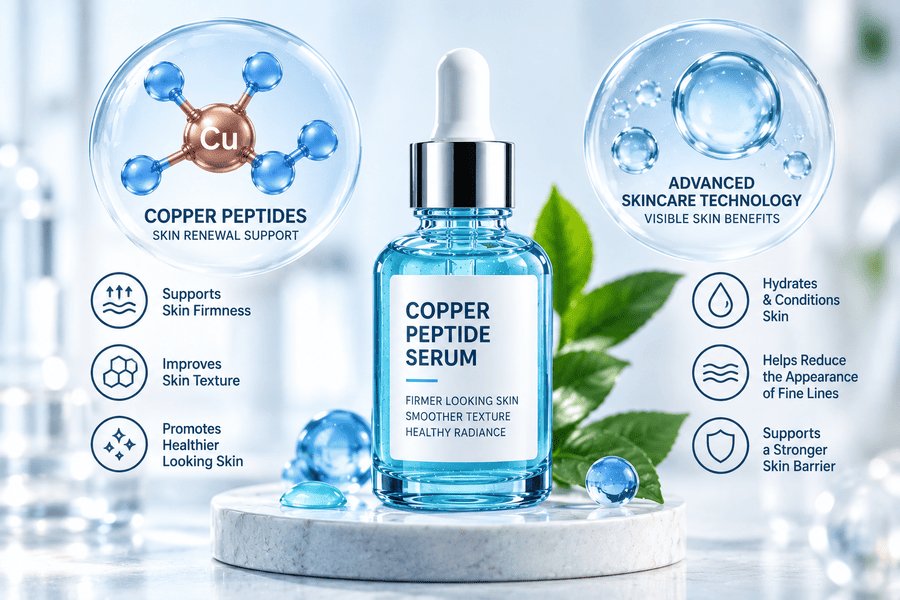
– “Copper Peptide Serum” – A premium serum category featuring copper-containing peptide complexes. Formulators must consider interactions with other ingredients, particularly when designing complex antioxidant systems.
Key formulation considerations
Successful facial serum formulations require more than selecting attractive active ingredients. Developers must evaluate:
-
Active ingredient concentration and solubility
-
Preservative effectiveness and microbiological quality
-
pH requirements and long-term stability
-
Compatibility between peptides, antioxidants, and botanical extracts
-
Packaging protection against oxygen and light
-
Sensory performance and skin compatibility
Brands investing in custom serum formulation development should establish measurable product specifications before selecting the final ingredient combination.
2. Trending Face Creams and Moisturizers


Moisturizers are evolving from simple hydration products into sophisticated formulations designed to support the skin barrier, improve comfort, and address visible signs of aging. Ingredients such as ceramides, ectoin, panthenol, peptides, and selected botanical compounds are influencing product development.
Modern consumers increasingly recognize the importance of maintaining the skin’s moisture barrier. This has encouraged cosmetic brands to develop products that combine humectants, emollients, occlusive materials, and skin-conditioning ingredients within carefully designed emulsion systems.
Popular cream and moisturizer products
– “Ceramide Barrier Repair Cream” – A moisturizer designed around ceramides and complementary lipids. The formulation may incorporate cholesterol, fatty acids, and other emollients to support the skin barrier.
– “Cica Centella Calming Cream” – A soothing skincare concept featuring Centella asiatica extracts or selected compounds associated with the plant. It is commonly positioned for sensitive-looking or stressed skin.
– “Ectoin Skin Protection Cream” – A moisturizing formulation incorporating ectoin, an ingredient valued for its skin-conditioning and hydration-related properties.
– “Peptide Firming Face Cream” – A facial cream combining peptides with moisturizing ingredients to target the appearance of firmness and elasticity.
– “Bakuchiol Night Cream” – A nighttime skincare formulation featuring bakuchiol, a plant-derived cosmetic ingredient commonly used in products targeting visible signs of aging.
– “Skin Microbiome Support Cream” – A moisturizer developed with ingredients selected to support skin comfort and microbiome-conscious positioning. Such claims require suitable scientific substantiation.
– “Urea 5% Hydrating Face Cream” – A moisturizing cream containing 5% urea, typically designed to improve hydration and soften dry skin. Compatibility, pH, and tolerability should be assessed for facial use.
The science behind stable cream formulations
Most cosmetic creams are emulsions containing water and oil phases stabilized by emulsifiers and supporting ingredients. The quality of a cream depends on its emulsification system, droplet size distribution, viscosity profile, and resistance to temperature-related instability.
Professional cosmetic emulsion formulation development also requires careful evaluation of preservation, fragrance compatibility, raw material variability, and industrial manufacturing conditions.
3. Innovative Facial Cleansers and Specialty Skincare Products


Facial cleansing products are increasingly designed around mildness, skin comfort, and convenience. Consumers are showing interest in gentle surfactant systems, low-pH cleansers, cleansing oils, and products that combine cleansing with skincare benefits.
For manufacturers, these developments create opportunities to design products for different skin types, climates, and consumer routines.
Popular facial cleansing and specialty products
– “Amino Acid Gentle Facial Cleanser” – A mild facial cleansing product incorporating selected amino acid-derived surfactants. The formulation aims to balance cleansing performance, foam quality, and skin comfort.
– “Low-pH Gel Cleanser” – A water-based facial cleanser developed within a mildly acidic pH range appropriate for its intended use and ingredients.
– “Milky Hydrating Toner” – A lightweight skincare product combining hydration with a milky appearance, often achieved through emulsified ingredients or specialized solubilization systems.
– “Enzyme Powder Face Wash” – A water-activated cleansing powder that may incorporate suitable cosmetic enzymes alongside surfactants and other functional materials. Moisture protection is particularly important.
– “Oil-to-Milk Cleansing Oil” – An oil-based cleansing formulation that forms a milky dispersion when combined with water, allowing makeup and oily residues to be rinsed away.
– “SPF 50+ Lightweight Sunscreen” – A high-protection sunscreen concept designed for comfortable daily application. UV filter selection, photostability, and validated SPF/UVA testing are essential, and regulatory classification differs between markets.
– “Overnight Hydrating Sleeping Mask” – A leave-on moisturizing product designed for nighttime application, typically using humectants, emollients, and film-forming ingredients.
Development opportunities in facial cleansing
The most important factors in facial cleanser formulation include surfactant mildness, cleansing efficiency, foam behavior, viscosity, preservation, and compatibility with the intended packaging.
For sunscreen development, additional photoprotection testing and market-specific regulatory requirements must be addressed before any SPF claim can be made.
4. Hair Care Formulation Trends: Scalp Health and Bond Repair


Hair care innovation in 2026 increasingly focuses on the scalp, damaged hair fibers, conditioning technologies, and protection against mechanical and thermal stress.
Traditional shampoos and conditioners remain essential, but consumers are exploring specialized treatments designed for specific hair concerns. These products create opportunities for cosmetic brands seeking differentiation through technical formulation performance.
Popular hair care products
– “Bond Repair Hair Treatment” – A specialized hair care product intended to improve the feel, appearance, and mechanical performance of damaged hair. Different bond-repair technologies operate through different mechanisms, so claims must match the actual ingredients and test results.
– “Peptide Scalp Serum” – A lightweight scalp treatment incorporating selected peptides and skin-conditioning ingredients, designed for scalp care and cosmetic hair appearance benefits.
– “Caffeine Scalp Treatment” – A scalp product containing caffeine, commonly positioned for scalp care and fuller-looking hair. Hair-growth or hair-loss treatment claims may trigger additional regulatory requirements.
– “Rosemary Scalp Serum” – A scalp care formulation containing rosemary-derived ingredients, often combined with humectants or other conditioning agents. Essential oil concentration and irritation potential require careful evaluation.
– “Sulfate-Free Shampoo” – A shampoo formulated without sulfate-based surfactants, using alternative cleansing systems selected for foam, mildness, and performance.
– “Lamellar Water Hair Treatment” – A lightweight conditioning treatment based on structured conditioning systems designed to improve detangling, smoothness, and hair feel.
– “Leave-In Hair Repair Mask” – A leave-on hair conditioning product incorporating polymers, emollients, proteins, or other functional materials to improve manageability and reduce the appearance of damage.
– “Heat Protection Hair Spray” – A styling and protection product formulated with film-forming polymers and conditioning ingredients. Heat protection claims should be supported by appropriate instrumental testing.
Technical challenges in hair care formulation
Hair care products require careful balancing of cleansing performance, conditioning deposition, viscosity, and sensory characteristics.
In professional shampoo formulation development, surfactant selection influences foam, irritation potential, and cleansing efficiency. Conditioning products require additional consideration of cationic polymers, silicones or silicone alternatives, and compatibility with hair fiber surfaces.
Scalp serums introduce further challenges involving ingredient solubility, preservation, fragrance levels, and consumer tolerability.
5. Body Care Formulation Trends: Targeted Treatments and Advanced Moisturizing


Body care is increasingly adopting technologies and ingredients traditionally associated with facial skincare. Consumers are exploring targeted body serums, exfoliating lotions, barrier-supporting moisturizers, and multifunctional body treatments.
This development creates opportunities for manufacturers to extend successful skincare concepts into larger packaging formats and different application areas.
Popular body care products
– “AHA Exfoliating Body Lotion” – A body lotion containing alpha hydroxy acids, such as lactic acid or glycolic acid, designed to improve the appearance and feel of rough skin. Acid concentration, pH, and safety testing are critical.
– “Niacinamide Body Serum” – A lightweight body treatment featuring niacinamide for skin-conditioning and improving the appearance of uneven skin tone.
– “Ceramide Body Lotion” – A moisturizing body lotion incorporating ceramides and complementary emollients to support skin barrier function.
– “Magnesium Body Spray” – A topical body product containing magnesium salts, often positioned for cosmetic skin care. Claims relating to systemic magnesium absorption or treatment benefits require robust evidence and may fall outside cosmetic regulations.
– “Probiotic-Inspired Body Wash” – A body cleansing product incorporating ingredients associated with microbiome-conscious skincare, such as selected ferment-derived materials or postbiotic ingredients.
– “Firming Body Cream” – A body moisturizer designed to improve the appearance of skin firmness through hydration, film-forming materials, and selected cosmetic actives.
– “Brightening Underarm Serum” – A targeted skincare product intended to improve the appearance of uneven underarm skin tone, with particular attention to mildness and irritation risk.
– “Waterless Body Balm” – An anhydrous body care formulation based on oils, butters, waxes, and selected conditioning ingredients, designed to provide moisturizing and protective sensory benefits.
Opportunities in body care product development
Advanced body care formulations allow brands to develop differentiated products using established cosmetic technologies.
Anhydrous products can reduce the need for added water and may offer advantages in packaging or transportation, although environmental benefits must be assessed across the complete product lifecycle.
Water-based body lotions and serums require appropriate preservation, stability testing, and packaging compatibility assessments.
6. Key Cosmetic Ingredients Influencing Product Development in 2026
Across skincare, hair care, and body care, ingredient selection is becoming increasingly important for product positioning. However, a successful cosmetic formulation depends on more than including a trending ingredient.
The most relevant ingredient categories include:
| Ingredient category | Common formulation applications |
|---|---|
| Peptides | Facial serums, anti-aging creams, scalp treatments |
| Ceramides | Barrier-supporting creams, facial and body lotions |
| Niacinamide | Brightening serums, moisturizers, body care |
| Ectoin | Hydrating and protective skincare |
| Vitamin C derivatives | Antioxidant and brightening serums |
| Bakuchiol | Night creams and anti-aging skincare |
| Panthenol | Calming creams, scalp care, hair conditioners |
| AHAs | Exfoliating lotions and targeted treatments |
| Amino acid surfactants | Gentle facial cleansers and shampoos |
| Cosmetic polymers | Hair repair, conditioning, and styling products |
Ingredient selection should always consider stability, compatibility, manufacturing requirements, supplier specifications, and regulatory restrictions.
A technically successful formulation must deliver its intended cosmetic benefits without compromising safety, consistency, or shelf life.
7. How to Develop a Custom Cosmetic Formulation for Your Brand
Developing a cosmetic product requires a structured research and development process. Whether a brand is creating a premium facial serum or an economical body lotion, the formulation must be designed around clear performance requirements and commercial objectives.
The development process generally begins by defining the product concept, target consumer, intended market, and desired performance characteristics. The formulation team then selects suitable ingredients and designs a system capable of meeting those objectives.
A professional custom cosmetic formulation development project typically includes:
-
Product concept and target specifications: Defining intended use, performance, appearance, pH, viscosity, and sensory characteristics.
-
Raw material selection: Evaluating active ingredients, emulsifiers, surfactants, preservatives, and other functional materials.
-
Laboratory formulation development: Preparing experimental formulations and optimizing compatibility and performance.
-
Stability and quality evaluation: Assessing physical stability, pH, viscosity, appearance, and relevant microbiological requirements.
-
Manufacturing process development: Establishing ingredient addition order, mixing conditions, equipment requirements, and scale-up considerations.
-
Technical documentation: Preparing formulation records, manufacturing instructions, quality specifications, and relevant supporting documents.
Final market compliance may also require a cosmetic safety assessment, product information file, notification or registration, preservative efficacy testing, and additional testing depending on the product category and destination market.
8. Why Custom Cosmetic Formulations Matter for New Beauty Brands
The cosmetic market is highly competitive, and products with similar ingredient lists may differ significantly in quality, stability, texture, and performance.
For this reason, many emerging beauty brands choose exclusive cosmetic formulation services rather than relying entirely on standard products.
Custom formulation development allows brands to define their own product characteristics, select preferred ingredients, establish cost targets, and create a differentiated product identity.
A well-developed formulation can also support long-term business flexibility. When intellectual property ownership and manufacturing rights are clearly defined by agreement, brands may be able to work with different qualified manufacturers while maintaining control over their product specifications.
This approach is particularly relevant for companies planning international expansion, premium skincare collections, or specialized personal care products.
9. Cosmetic Formulation Development with FormulationMarket
At FormulationMarket, we support businesses seeking customized detergent, cosmetic, and personal care formulation development.
Our formulation services focus on creating technically structured product formulations according to customer requirements, target markets, performance expectations, and manufacturing conditions.
For cosmetic projects, the objective is to provide clients with comprehensive technical information that supports laboratory development and manufacturing preparation.
Depending on the agreed project scope, a formulation package may include exact raw material percentages, ingredient functions, alternative raw materials, detailed manufacturing instructions, production equipment recommendations, target product specifications, quality-control guidance, and supporting technical documentation.
Brands interested in developing any of the cosmetic products discussed in this article can explore our custom cosmetic formulation services and exclusive formulation development solutions.
Conclusion: The Future of Cosmetic Formulations
The cosmetic industry in 2026 offers significant opportunities for brands that combine ingredient innovation with reliable formulation science.
From advanced facial serum formulations and skin barrier repair creams to bond repair hair treatments and specialized body care products, product development is moving toward more targeted, technically sophisticated solutions.
However, successful cosmetic innovation requires careful attention to ingredient compatibility, product stability, safety, manufacturing processes, and regulatory compliance.
For entrepreneurs, cosmetic brands, and manufacturers, understanding these product categories is the first step toward creating differentiated and commercially viable cosmetic products.
With the right formulation strategy, companies can transform emerging beauty concepts into products designed for consistent quality, consumer acceptance, and long-term market success.